Off-Speed Timing: Why Your Kid Strikes Out on Curveballs
It's not a swing problem. It's a timing problem. And 'just wait on it' almost never works — here's what does.
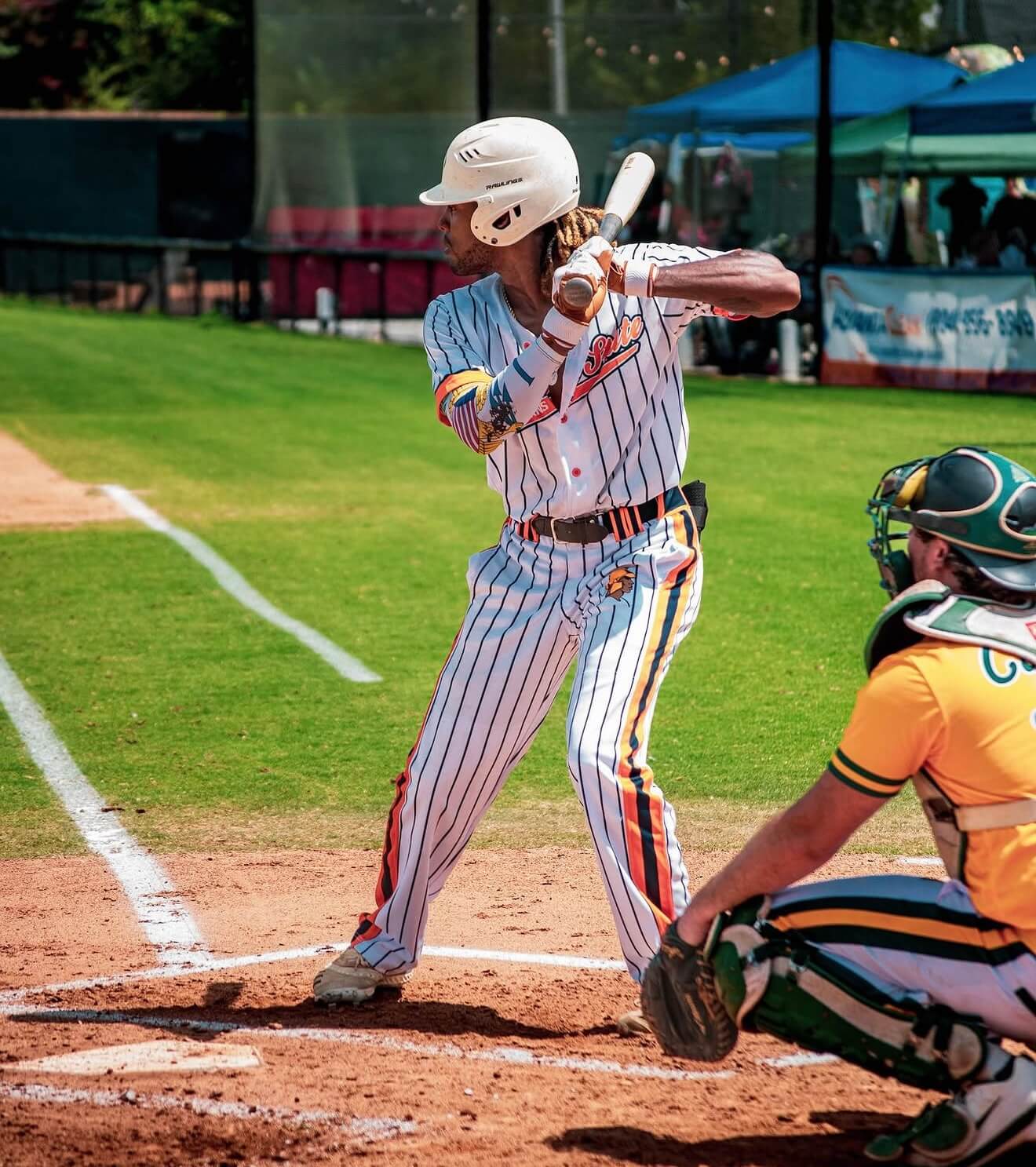
The first time your kid faces a real curveball, you watch it happen in slow motion. Their body fires early. The barrel comes through where the fastball would've been. The pitch breaks in late and they're already done.
It's not a swing problem. It's a timing problem. And it's fixable — but the standard just wait on it coaching almost never works.
Why off-speed exposes young hitters
Fastballs reward aggressive swings. Off-speed pitches punish them. Young hitters who've trained almost exclusively against straight velocity have one timing pattern hard-wired into their body. When the pitcher takes 10 mph off, their body doesn't know how to wait without falling apart.
The job isn't to be slower. It's to hold rhythm until the pitch tells you what it is.
Drill 1 — Slow-to-fast tosses
Have a coach or parent throw three pitches: slow, slower, fast. The hitter doesn't know the order. They hold their load, track the ball, and adjust.
The first few rounds are ugly. That's the point. The body has to learn what waiting actually feels like before it can do it under pressure.
Drill 2 — The pause drill
On every pitch, the hitter takes their stride and freezes. They hold for a half-beat, then commit.
It feels unnatural at first — like they'll be late on every fastball. They won't. What they will do is start staying back long enough for breaking balls to actually break.
Drill 3 — Mixed-pitch live BP
Once the pause drill clicks, layer it into live reps. The thrower mixes fastballs and changeups randomly. The hitter is rewarded for taking quality at-bats, not for crushing every ball.
The metric here isn't exit velocity. It's: did they recognize? Did they hold? Did they commit late on the off-speed and on time on the fastball?
Drill 4 — Two-strike adjustments
Off-speed gets nastier with two strikes. Build the habit early: with two strikes, the swing gets shorter, the load gets quieter, the eyes get bigger. Drill it on purpose. Don't wait for game pressure to teach it.
“If your kid is striking out on curveballs, they're not a bad hitter. They're an unfinished one.”
How long does it take
Real off-speed timing takes weeks of focused work, not a single session. The hitters who own it spend reps on it every week — even when they're already crushing fastballs.
This is the heart of our Off-Speed Timing module, and it's one that pays the biggest dividend the older a hitter gets.
Get them on a real plan, and watch what happens when the pitch they used to fear becomes the one they sit on.
Ready to build off-speed timing the right way? Book a session and we'll start the four-drill progression today.