Best Age to Start Hitting Lessons: A Newport News Coach's Guide
After years of coaching young hitters across Hampton Roads, here's what's actually appropriate at each age — and the signs your kid is ready.
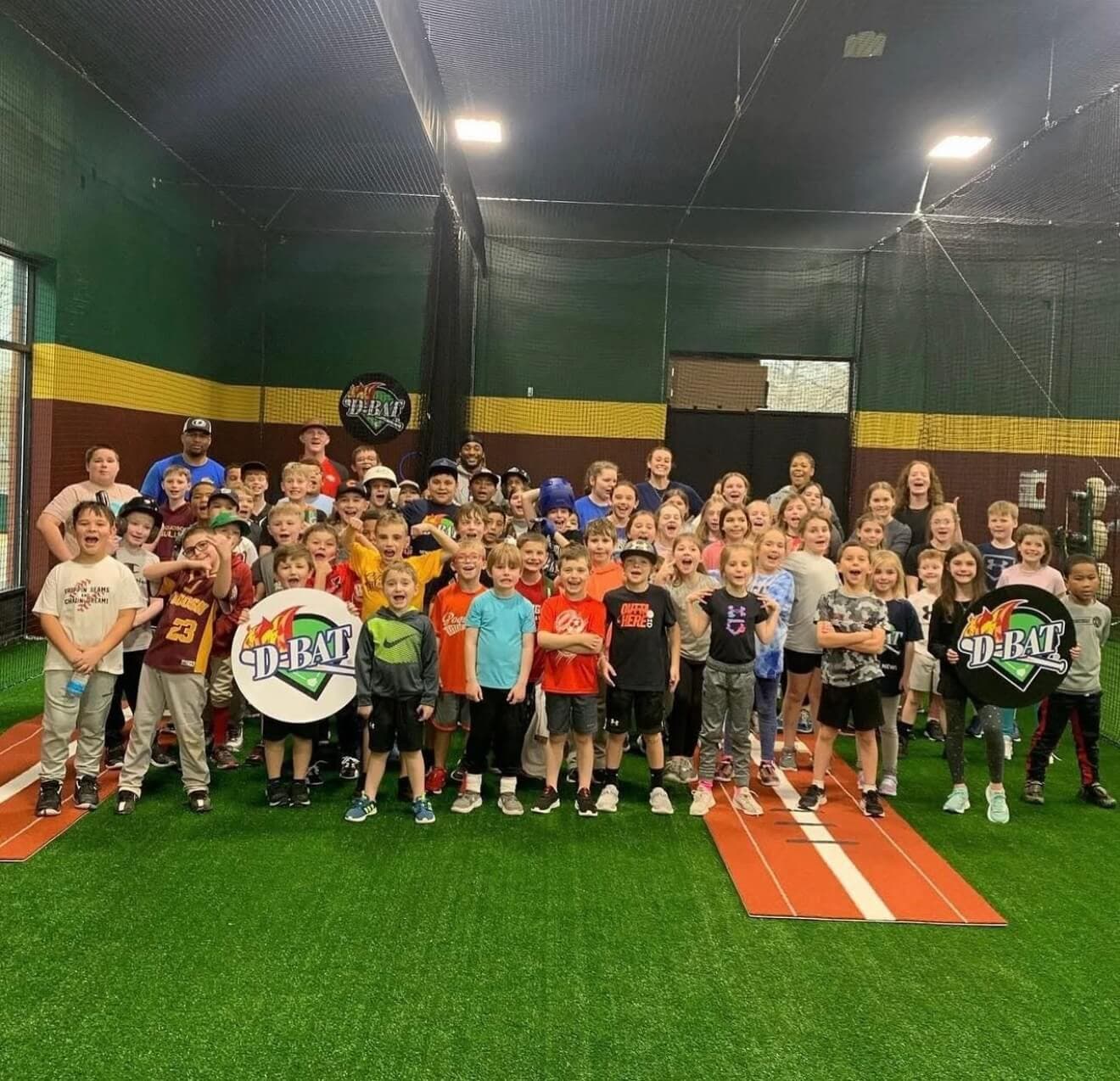
I get this question almost every week from parents in Newport News, Hampton, and across the 757: "When should I get my kid into hitting lessons?"
There's no universal answer. But after coaching young players in Hampton Roads for years, I can tell you the patterns I see — and what's actually appropriate at each stage.
Ages 5–7: Build the love first
At this age, lessons aren't about mechanics. They're about coordination, balance, and falling in love with a bat in their hands.
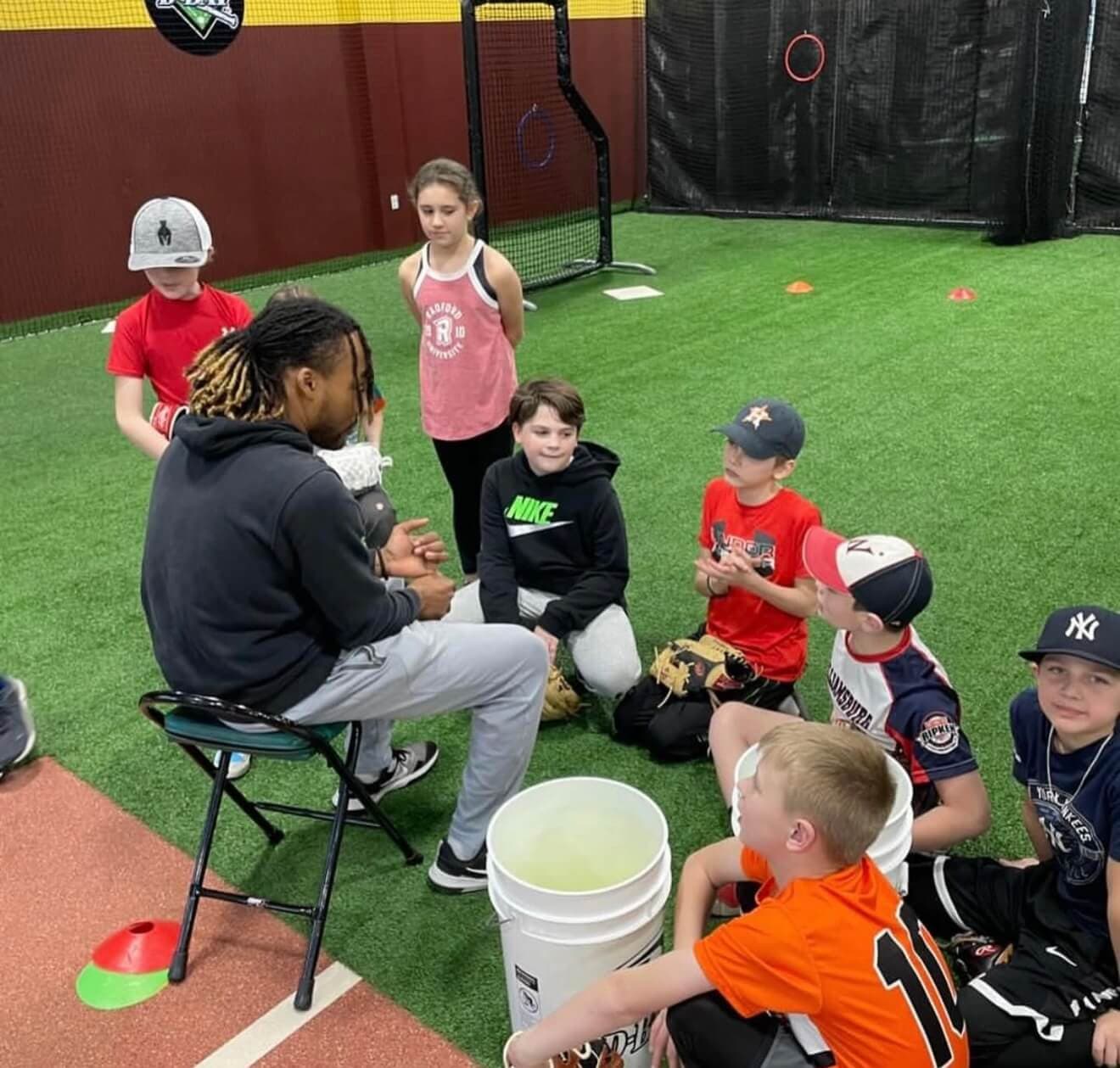
A good lesson for a 5- or 6-year-old looks more like play. We work on athletic stance, hand-eye coordination with soft toss and tee work, and starting to feel where their body is in space. Sessions should be short — 30 minutes is plenty — and the goal is leaving with a smile, not a perfect swing.
If your kid is asking to hit, they're ready. If they're not, don't force it.
Ages 8–10: The technique window
This is the sweet spot. Motor skills are developed enough to teach real mechanics, but kids are still young enough to absorb new movement patterns without years of bad habits to undo.
In this range, we're working on bat path, balance, lower body engagement, and starting to introduce timing. We build the foundation that holds up when pitching gets faster, breaking balls show up, and game pressure gets real.
This is also where private instruction starts paying off the most. Group lessons can teach drills. One-on-one is where you actually fix what's broken.
Ages 11–13: The development crunch
Now the game speeds up. Pitching velocity jumps. Off-speed pitches enter the picture. Hitters who haven't built fundamentals start falling behind — fast.
Players in this window need consistent work on pitch recognition, off-speed timing, and refining mechanics under pressure. If they haven't started yet, it's still not too late, but the runway shortens every season.
Ages 14+: Refine and compete
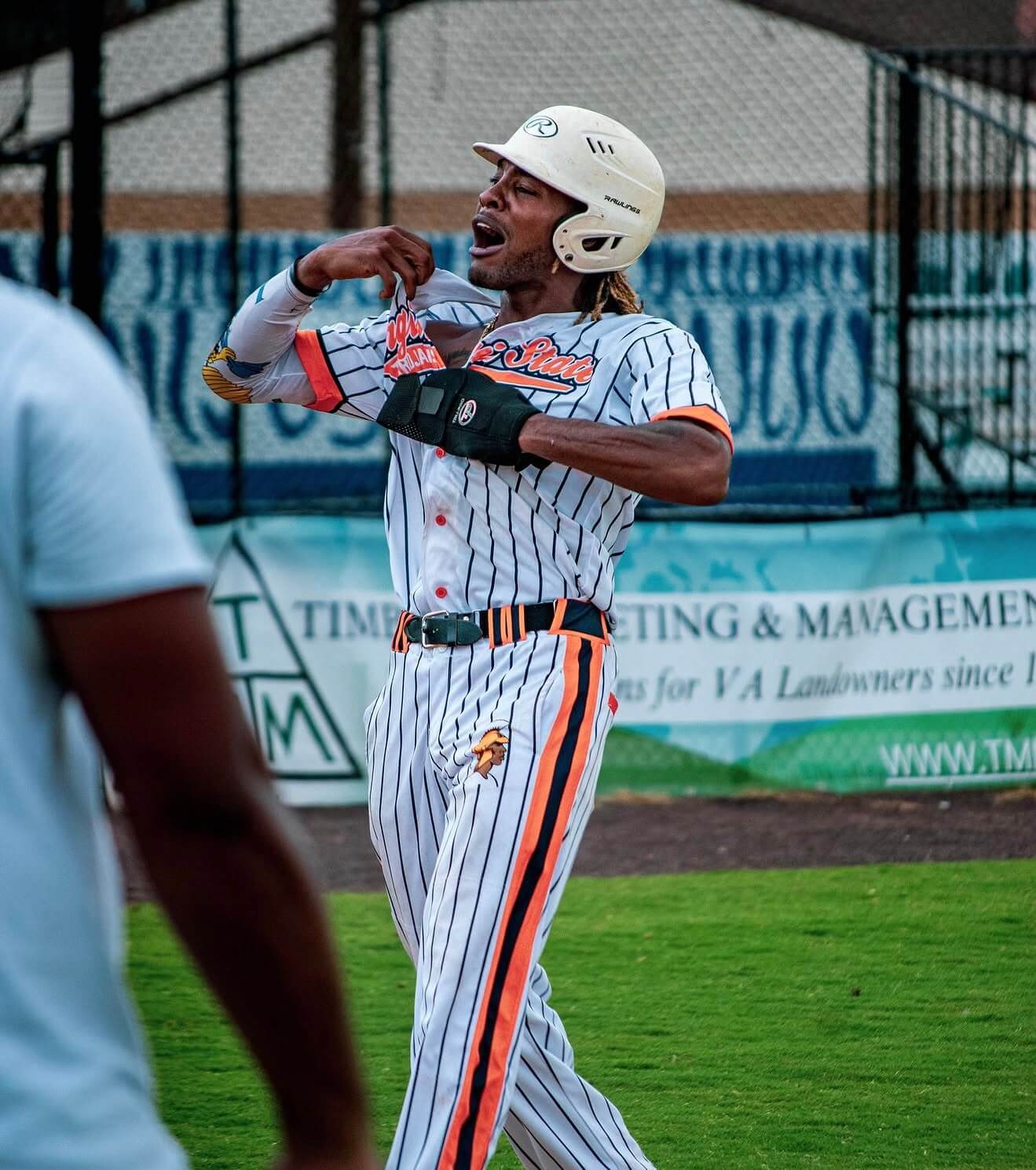
By high school, we're polishing. Cleaning up bat path inefficiencies, sharpening approach, and building the at-bat IQ that separates roster players from impact hitters. Lessons here are about precision, not foundation.
“If they're asking to play, they're ready. The age is almost secondary.”
Signs your kid is ready
Regardless of age, look for these:
- They ask to play — you're not the one pushing.
- They handle short bursts of focused instruction without melting down.
- They're comfortable being corrected, even when it isn't what they wanted to hear.
If those three are in place, the age is almost secondary.
Why local matters
Working with a coach in Hampton Roads means more than convenience. It means understanding the leagues your kid is playing in, the competition they'll face, the showcase circuit if they're climbing it, and the high school programs they're aiming for.
If you're in Newport News, Hampton, Yorktown, Williamsburg, or anywhere across the 757 — I'd love to talk. Schedule a session and let's see where your hitter is and where we can take them.
Local to Hampton Roads? Book a first session — we'll start with where your hitter is right now.